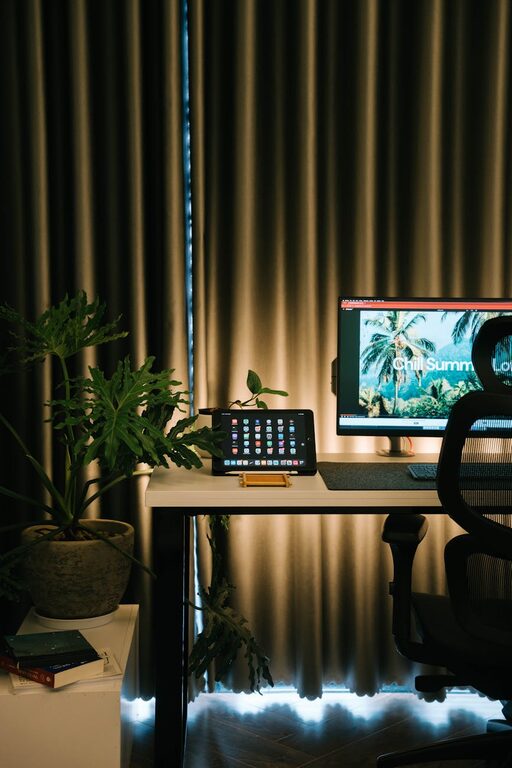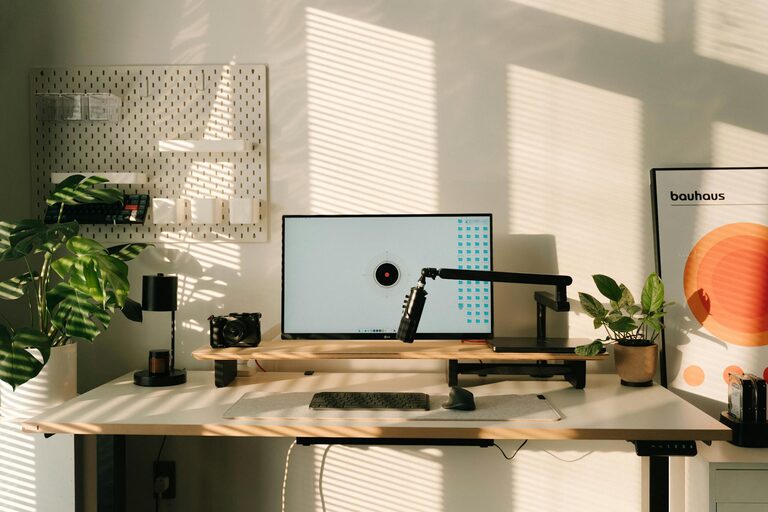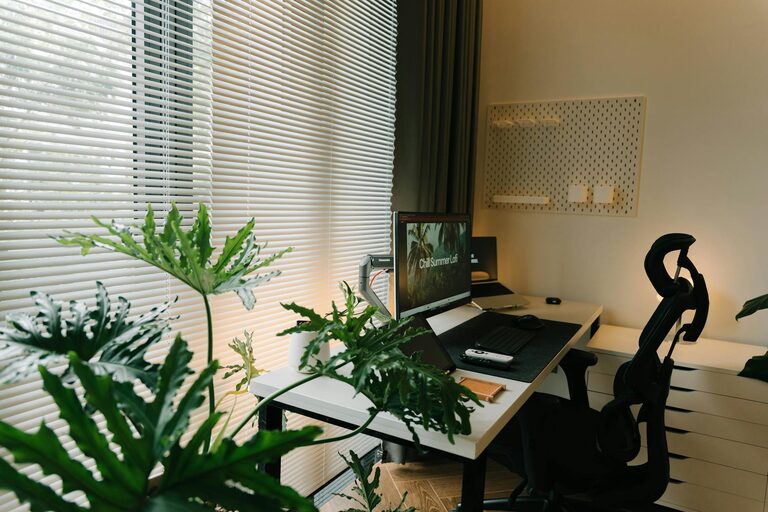
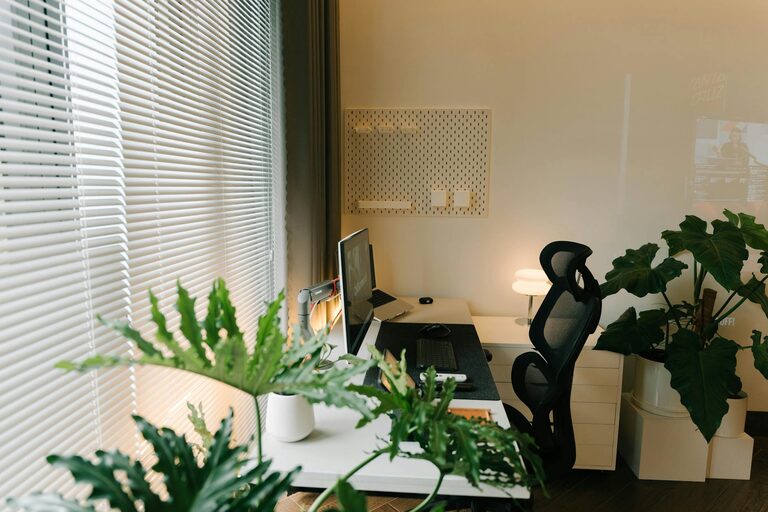
Setting up a productive home office environment can greatly enhance your ability to focus, stay motivated, and maintain a healthy work-life balance. Whether you work remotely full-time or occasionally need a dedicated space for tasks, creating an organised and comfortable workspace is key. This guide offers practical advice to help you design a home office that supports your productivity and well-being.
Choose the Right Location
The first step is selecting the most suitable spot for your home office. Ideally, this should be:
– A quiet area with minimal distractions
– Well-lit, preferably with natural light
– Away from high-traffic zones in your home
Avoid setting up in bedrooms or living rooms if possible, as these spaces can clash with work and relaxation routines.
Invest in Comfortable and Functional Furniture
Comfort plays a major role in productivity. Consider the following when choosing furniture:
Desk
– Select a desk large enough to hold your computer, documents, and other essentials without clutter.
– Height should be suitable to maintain good posture when seated.
Chair
– Choose an ergonomic chair that supports your back, promotes good posture, and is adjustable.
– Sitting for long periods can cause strain, so prioritise comfort.
Storage
– Use shelves, filing cabinets, or storage boxes to keep the area tidy.
– Having designated spots for items helps reduce distractions.
Optimize Lighting
Good lighting can reduce eye strain and boost focus.
– Natural light is ideal. Position your desk near a window, but avoid glare on screens.
– Use adjustable desk lamps with warm, soft light for evenings or darker days.
– Consider the colour temperature of bulbs; neutral white light often works well.
Minimise Distractions
It’s important to create a workspace that allows you to concentrate.
– Keep phones on silent or use ‘Do Not Disturb’ modes during work hours.
– Use noise-cancelling headphones if there is background noise.
– Limit unnecessary items on your desk.
Establish an Organised Workflow
Having a clear workflow helps maintain productivity.
– Use calendars, planners, or digital apps to schedule tasks and deadlines.
– Break tasks into smaller steps and prioritise them.
– Keep essential materials within reach for easy access.
Personalise Without Cluttering
Adding personal touches can make the space inviting, which may improve motivation.
– Use plants to add greenery and improve air quality.
– Display photos or art that inspires you.
– Choose colours that promote calmness and focus, such as blues or greens.
However, avoid overcrowding your space with too many decorations.
Manage Technology Efficiently
Technology is essential but can be a source of distraction if unmanaged.
– Keep cables organised with clips or ties.
– Use external keyboards or monitors if it improves comfort.
– Regularly update software and keep your devices clean.
Incorporate Physical Movement
Sitting for extended periods isn’t ideal, so planning movement is beneficial.
– Take regular breaks to stretch or walk around.
– Consider a sit-stand desk if your budget permits.
– Use reminders or apps that encourage you to move.
Ensure Good Ventilation and Air Quality
A fresh and well-ventilated room can enhance your focus and health.
– Open windows regularly to allow fresh air.
– Use air purifiers or plants known to improve air quality.
– Keep temperature comfortable, not too hot or cold.
Set Boundaries and Maintain Routine
To avoid blurring work and personal time:
– Define working hours and stick to them.
– Communicate boundaries to family or housemates.
– Develop a pre-work routine to signal the start of the day.
Regularly Review and Adapt Your Space
Your needs may change over time, so be flexible and ready to adjust your setup.
– Periodically declutter and reorganise.
– Upgrade furniture or equipment where needed.
– Listen to your body and adjust ergonomics accordingly.
—
Creating a productive home office is a blend of practical setup, comfortable design, and good habits. By focusing on organisation, comfort, and limiting distractions, you can establish a space that supports your work and overall well-being. Implement these tips to transform your home office into a place where you can thrive professionally and personally.