
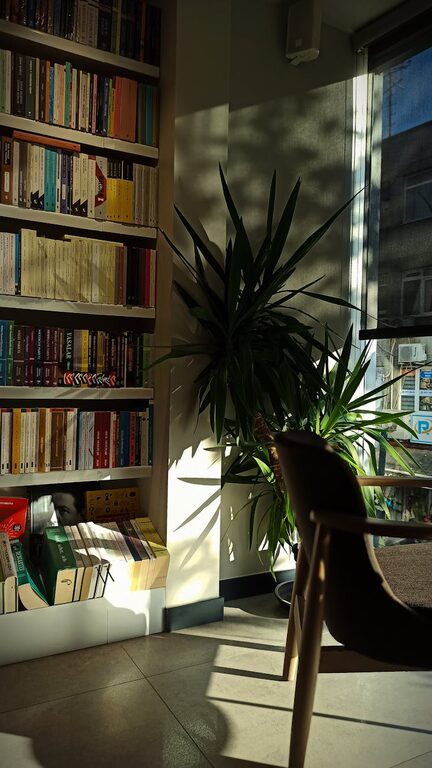
Creating a calm and relaxing atmosphere in your home can greatly improve your wellbeing and help you unwind after a busy day. Two of the most effective and accessible ways to achieve this are by using colour thoughtfully and maximising natural light. Both elements play a significant role in shaping how a space feels, influencing mood, comfort, and energy.
In this guide, we’ll explore practical ideas for using colour and natural light to create a peaceful home environment.
Why Colour and Natural Light Matter
Colour affects our emotions and behaviours, with different shades evoking various feelings. For example, soft blues often promote calm, while bright colours can energise.
Natural light not only illuminates your space but also impacts circadian rhythms, mood, and perception of space. Well-lit rooms feel more open and inviting, which contributes to relaxation.
Combining the right colours with plenty of natural light can transform your home into a soothing sanctuary.
Choosing Colours for Relaxation
1. Opt for Soft, Muted Tones
Shades like pale blues, gentle greens, soft greys, and creamy neutrals tend to be calming. These colours mimic nature and encourage restfulness.
– Blue: Often associated with serenity and calm.
– Green: Symbolises nature and balance.
– Beige and ivory: Warm neutrals that create cosy spaces.
Avoid overly bright or dark colours in main relaxation areas, as these can feel overwhelming or heavy.
2. Use Colour Psychology to Your Advantage
Think about how different colours make you feel personally. For example, if you find lavender soothing, incorporate it into cushions or wall art.
You can also experiment with:
– Pastel pinks or peaches for a gentle warmth.
– Soft yellows to invite happiness without intensity.
3. Create Colour Zones
If you want gentle colour variation, divide rooms into zones. For example, a living room might have a calming blue wall but neutral furnishings. This approach adds interest without disrupting tranquility.
Maximising Natural Light
1. Make the Most of Windows
Keep windows clean and unobstructed to allow more light in. Avoid heavy curtains; choose lightweight fabrics or blinds that can be opened fully.
Position mirrors opposite windows to reflect light deeper into rooms.
2. Use Light, Reflective Surfaces
Paint walls with light colours that reflect natural light, helping to brighten the space. Glossy or satin finishes can enhance reflectivity but balance with a matte finish to avoid glare.
Choose furniture and accessories in light tones or reflective materials such as glass or polished wood.
3. Consider Skylights and Glass Doors
If possible, installing a skylight or floor-to-ceiling glass doors can flood spaces with daylight. These are especially beneficial in rooms with limited windows.
4. Embrace Outdoor Views
Position seating areas to face windows with views of greenery or gardens. Natural scenery enhances relaxation and connects indoor and outdoor environments.
Combining Colour and Light in Different Rooms
Living Room
– Use soft neutrals on walls to maximise light reflection.
– Add blue or green cushions and throws for calm accents.
– Keep window treatments minimal to allow maximum daylight.
Bedroom
– Choose muted pastel colours for walls and bedding.
– Position the bed near a window, but use light-blocking blinds if needed to control light levels.
– Consider warm white bulbs for evening lighting that mimic sunset tones.
Kitchen
– Bright, light colours such as pale yellows or off-whites can create an uplifting atmosphere.
– Use reflective surfaces like glossy tiles or stainless steel appliances to bounce natural light.
– Keep window spaces open and tidy.
Additional Tips for a Relaxing Atmosphere
– Plants: Adding greenery complements natural light and soft colours, improving air quality and providing a calming presence.
– Declutter: A tidy space enhances the effect of light and colour, reducing stress.
– Layer lighting: Balance natural light with soft lamps or candles for evenings to maintain a soothing glow.
Final Thoughts
Creating a relaxing home environment with colour and natural light is all about understanding how these elements influence mood and comfort. By selecting calming colours and making the most of daylight, you can design spaces that feel peaceful, inviting, and rejuvenating.
Start with small changes like updating your paint colours or rearranging furniture to let light flood in. Over time, these adjustments will help your home become an effortless retreat from everyday stress.