
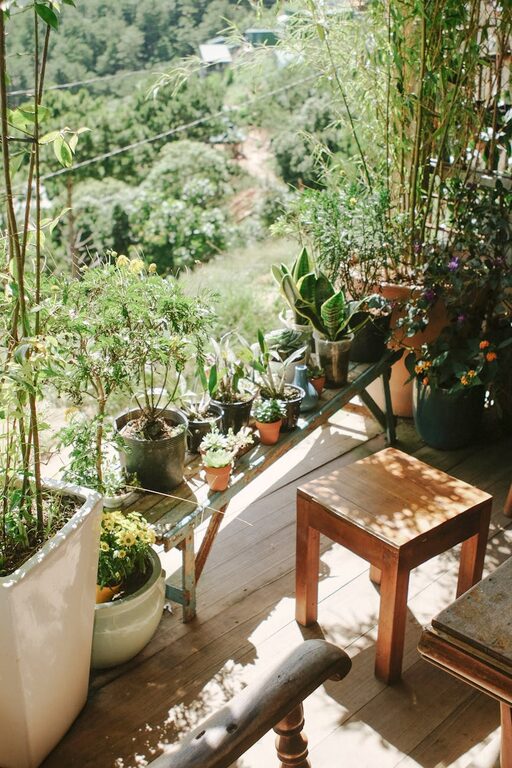
Creating a relaxing outdoor garden space at home is a wonderful way to improve your quality of life. A thoughtfully designed garden can provide an ideal spot to unwind, connect with nature, and enjoy fresh air. Whether you have a sprawling backyard or a modest balcony, these practical tips will help you craft a calming outdoor area tailored to your needs.
1. Plan Your Space Thoughtfully
Before heading out to buy plants or garden furniture, take time to plan your garden layout. Consider how you want to use the space: for meditation, reading, socialising, or simply relaxing.
– Assess sunlight and shade: Know which parts of your garden get sun and which stay shaded throughout the day. This knowledge will help you choose plants and seating locations accordingly.
– Consider privacy: Use hedges, fences, or trellises with climbing plants to create a sense of seclusion.
– Define zones: Allocate different sections for seating, planting, or water features to keep the area organised and functional.
2. Choose the Right Plants
Plant selection is key to setting a relaxing tone. Opt for low-maintenance and aromatic plants that appeal to your senses.
– Fragrant plants: Lavender, rosemary, jasmine, and gardenias provide soothing scents that promote relaxation.
– Soft textures: Grasses like pampas or fountain grass add gentle movement and a calming visual effect.
– Seasonal interest: Combine evergreens with plants that bloom at different times of year to keep your garden vibrant throughout seasons.
– Wildlife-friendly plants: Incorporate native flowers and shrubs to attract birds and butterflies, which can enhance the peaceful atmosphere.
3. Create Comfortable Seating
A relaxing garden needs comfortable seating where you can unwind.
– Furniture choice: Invest in weather-resistant furniture such as wooden benches, rattan chairs, or metal sets with cushions.
– Add cushions and throws: Soft textiles make seating more inviting and cosy.
– Include a hammock or swing: These options encourage relaxation and are great for light reading or napping outdoors.
– Position for views: Place seats to face your garden’s best features, be it a flower bed, water feature, or a tree.
4. Incorporate Water Features
Water has a natural calming effect, making water features a popular addition to relaxing gardens.
– Small fountains or waterfalls: The sound of gently flowing water can drown out noise from neighbours or traffic.
– Birdbaths: These attract birds, adding to the tranquillity and encouraging wildlife visits.
– Ponds: If space allows, a small pond with aquatic plants can create a peaceful focal point.
5. Use Lighting to Set the Mood
Outdoor lighting extends the usability of your garden into the evening and sets a soothing ambiance.
– Soft, warm lighting: Use lanterns, fairy lights, or solar-powered stake lights to create gentle illumination.
– Highlight features: Light up trees, pathways, or water features to draw attention subtly.
– Avoid harsh lights: Bright, cool-toned lights can be disruptive rather than relaxing.
6. Add Personal Touches
Personalising your garden space will make it feel more welcoming and relaxing.
– Decorative accents: Sculptures, wind chimes, or colourful pots can reflect your style.
– Outdoor rugs and cushions: These make the space feel cosy and homely.
– Reading nook: Include a small table with your favourite books or magazines.
– Scented candles or citronella: These add pleasant aromas and keep insects at bay during warmer evenings.
7. Keep It Tidy but Natural
Maintaining a tidy garden is important, but too much formality can reduce its calming impact.
– Regular upkeep: Remove weeds, dead leaves, and prune plants to keep the space neat.
– Allow natural growth: Let some plants grow more freely to create a natural look that feels less rigid.
– Mulch and ground cover: These help suppress weeds and add texture to planting beds.
8. Consider Sound and Air Quality
Beyond the visual appeal, your garden’s sounds and air freshness play a significant role in creating a relaxing atmosphere.
– Wind chimes: Gentle sounds from bamboo or metal chimes add a soothing element.
– Avoid noisy equipment: Position air conditioning units, outdoor speakers, or other noisy items away from your relaxation zones.
– Plant trees and shrubs: These can act as windbreaks and improve air quality by filtering pollutants.
9. Make Your Garden Multi-Functional
Having a garden that serves multiple purposes can encourage you to spend more time outdoors.
– Space for exercise: Designate a small area for yoga or stretching.
– Dining area: Include a table and chairs for alfresco meals.
– Kids’ corner: If you have children, create a safe play space within your garden design.
– Storage solutions: Hide garden tools in attractive storage boxes or sheds to keep clutter away.
—
Final Thoughts
Creating a relaxing outdoor garden space is less about extravagant spending and more about thoughtful design tailored to your lifestyle. By planning carefully, choosing the right plants and furniture, and adding personal touches, you can turn any outdoor area into a peaceful retreat that refreshes your mind and body. Remember, the best garden is one that you enjoy and feel comfortable in, so let your creativity and preferences guide the process.
—
Enjoy transforming your garden into your personal haven, and take pleasure in the simple moments spent outdoors surrounded by nature.