Creating a relaxing home office environment is key to maintaining productivity and wellbeing when working from home. A well-designed workspace can reduce stress, boost creativity, and improve focus. Whether you have a dedicated room or just a corner in your living space, these tips will help you transform your home office into a calm and inviting area.
Choose the Right Location
Selecting the best spot for your home office is the first step in creating a relaxing environment. Ideally, pick a location that is quiet and receives plenty of natural light.
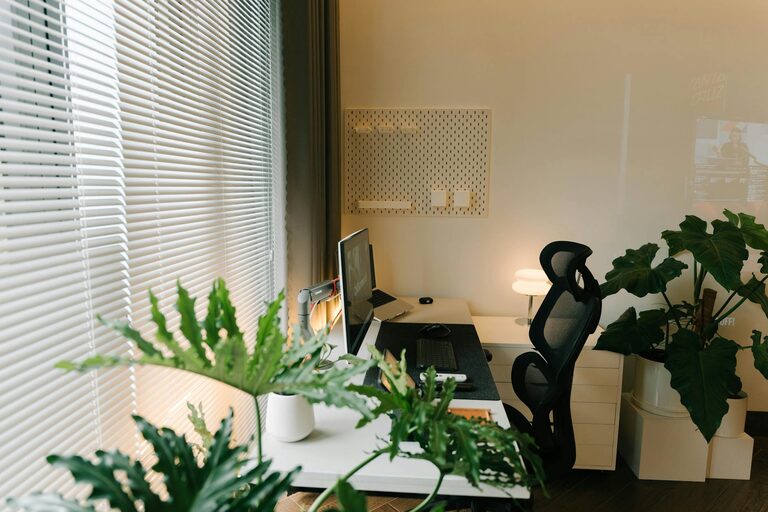
– Natural Light: Position your desk near a window to benefit from daylight. Natural light helps regulate your body clock and can improve mood.
– Avoid Distractions: Set your workspace away from noisy areas such as the kitchen or TV zones to minimise interruptions.
– Space Considerations: Ensure there’s enough room to move comfortably and organise your equipment without feeling cramped.
Invest in Comfortable Furniture
Comfort is crucial when you spend hours at your desk. Ergonomic furniture not only supports your physical health but also makes your workspace more pleasant.
– Ergonomic Chair: Choose a chair that supports your lower back and allows your feet to rest flat on the floor.
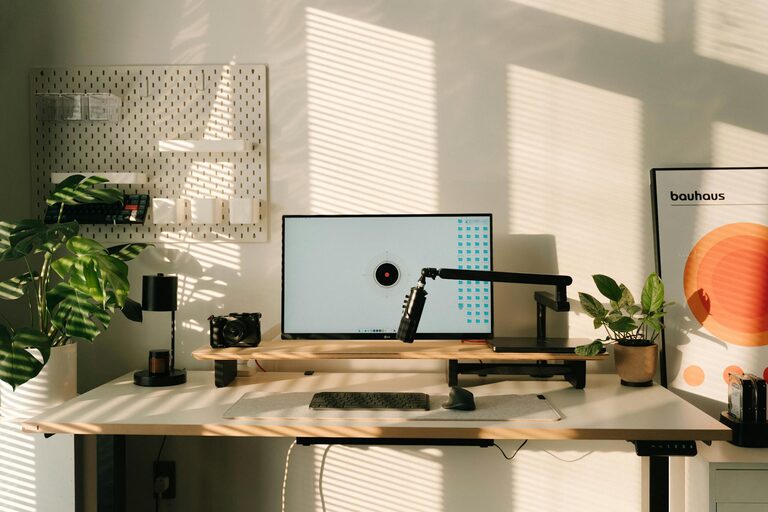
– Desk Height: Pick a desk that suits your height or consider an adjustable desk for switching between sitting and standing.
– Support Accessories: Use a footrest, monitor stands, or keyboard pads to improve posture and reduce strain.
Declutter and Organise
A tidy workspace can make it easier to concentrate and feel relaxed.
– Declutter Regularly: Remove unnecessary items from your desk to keep the area clear.
– Storage Solutions: Use shelves, drawers, and organisers to keep paperwork and office supplies neat.
– Cable Management: Use clips or cable boxes to keep wires tidy and prevent a messy look.
Use Calming Colours and Decor
The colours and decor in your home office can influence your mood and productivity.
– Choose Soothing Colours: Shades of blue, green, or soft neutrals create a peaceful atmosphere.
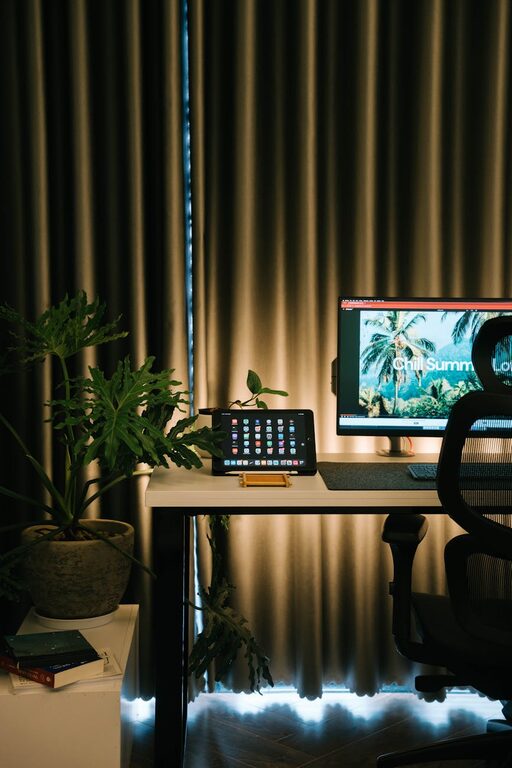
– Natural Elements: Incorporate plants or natural materials like wood to bring a sense of calm and freshness.
– Personal Touches: Add photos, artwork, or items that inspire you without overcrowding the space.
Control Lighting and Reduce Glare
Proper lighting helps you avoid eye strain and improves focus.
– Layered Lighting: Use a combination of natural light, overhead lights, and task lamps to create balanced illumination.
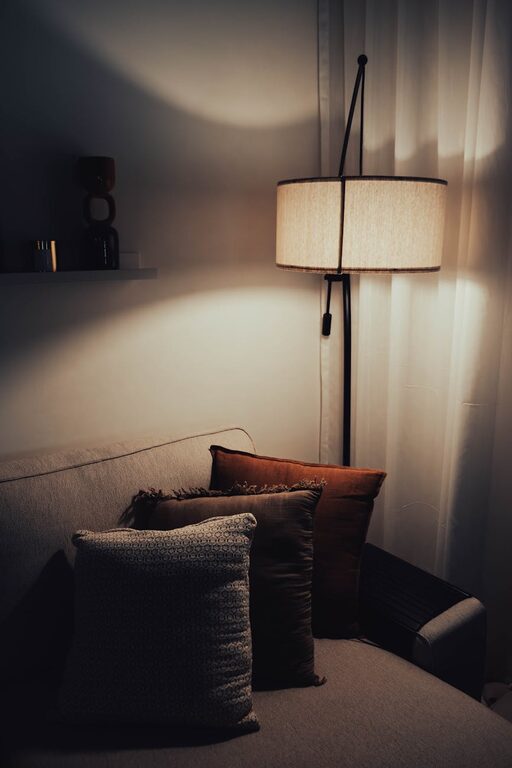
– Adjustable Lamps: Task lighting near your desk allows you to direct light where needed.
– Screen Positioning: Position your computer screen to reduce glare from windows or lights.
Manage Noise Levels
A quiet environment supports concentration, but some gentle background sounds can also help.
– Noise Reduction: Use rugs, curtains, or acoustic panels to absorb unwanted noise.
– White Noise or Music: Consider soft instrumental music or white noise apps to mask distractions if complete silence is challenging.
– Headphones: Noise-cancelling headphones can be a helpful investment if your surroundings are noisy.
Maintain Good Air Quality
Fresh air can improve your alertness and comfort.
– Ventilation: Open windows when possible or use an air purifier to keep the air clean.
– Indoor Plants: Some plants help purify the air and add a pleasant touch to your workspace.
– Avoid Clutter That Traps Dust: Keep the space clean to reduce allergens.
Establish a Routine with Break Space
A relaxing home office isn’t just about the physical setup; how you use the space matters too.
– Break Area: If space allows, create a small area nearby to stretch, take breaks, or relax away from your desk.
– Set Boundaries: Define working hours and stick to them to maintain a healthy work-life balance.
– Incorporate Movement: Stretch or move regularly to refresh both body and mind.
Personalise Your Workspace Thoughtfully
Making the space your own can reduce stress and increase comfort, but balance is important.
– Inspirational Items: Add objects that motivate you, such as quotes or favourite books.
– Avoid Overcrowding: Too many items can clutter your mind; choose meaningful decorations sparingly.
– Comfort Accessories: Consider items like cushions or a soft rug to soften the atmosphere.
Technology Tips for a Smooth Workflow
Keeping your technology organised and efficient reduces frustration.
– Reliable Equipment: Use good quality devices and ensure everything is in working order.
– Cable Organisation: Tidy cables not only look better but can prevent accidents.
– Backup Solutions: Use cloud storage or external drives to keep your work safe.
—
By following these tips, you can design a home office that feels like a peaceful retreat while still supporting productivity. The key is to create an environment tailored to your preferences, combining functionality with comfort. Taking the time to optimise your workspace can greatly improve your work-from-home experience.